
What Separates Architectural-Grade Lighting from Big-Box Options
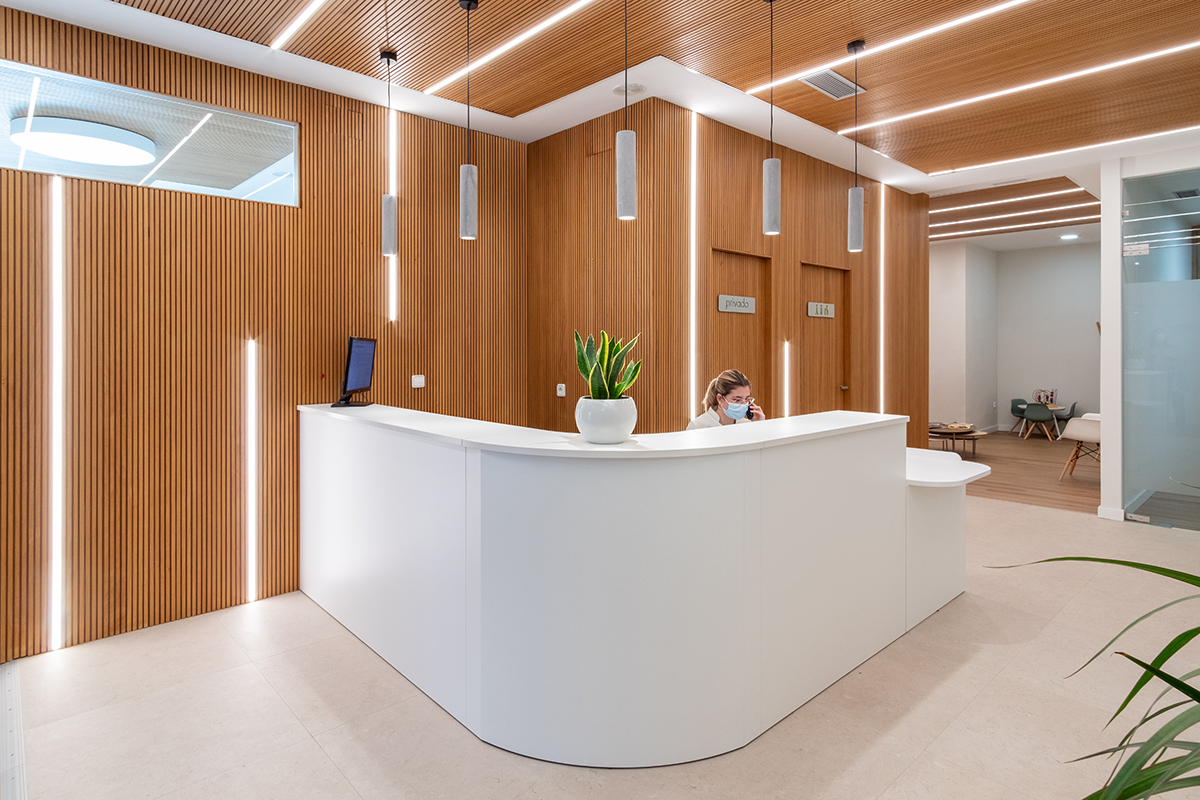
LED tape lighting has become one of the most defining design elements in modern homes. It’s nearly impossible to walk into a newly constructed or recently remodeled residence without encountering tape lighting integrated into cabinetry, ceilings, staircases, or architectural details. When designed correctly, LED tape lighting can serve multiple purposes—enhancing ambiance, providing functional task lighting, or acting as a subtle design feature that highlights clean lines and elevates the overall space.
Despite its popularity, one critical misconception remains: that all LED tape lights are essentially the same. In reality, the performance, longevity, and visual impact of tape lighting vary dramatically depending on product quality, design intent, and installation method. Choosing the wrong tape light can lead to uneven illumination, visible LED “dots,” poor color quality, flickering, premature failure, and a finished space that falls well short of its potential.
In this blog, we’ll explore the key differences between inexpensive big-box LED tape lighting and true architectural-grade solutions—and why homeowners, builders, and designers across the Dallas–Fort Worth (DFW) area are increasingly prioritizing professional lighting design
SEE ALSO: Designing with Light: How WH Technologies Partners with Designers
Not All LED Tape Lights Are Built the Same
A common assumption among homeowners is that LED tape lighting is interchangeable—as long as it looks like tape and turns on, it should perform the same. Often, the only perceived choice is whether to use white light or RGB color. In practice, this is only the starting point.
Even within a single manufacturer’s lineup, there are multiple tape options designed for very different applications. The correct solution depends on where the tape will be installed, how it will be viewed, how it will be controlled, and what role it plays in the overall lighting plan. Selecting the wrong tape can result in harsh glare, visible hotspots, inconsistent color, and a system that feels disconnected from the home.
Several factors truly separate architectural-grade LED tape lighting from consumer-grade options.
Color Type: More Than Just RGB or White
Not all white light is created equal, and color-capable lighting is far more sophisticated than many people realize.
RGBWW (Red, Green, Blue, Warm White, Cool White)
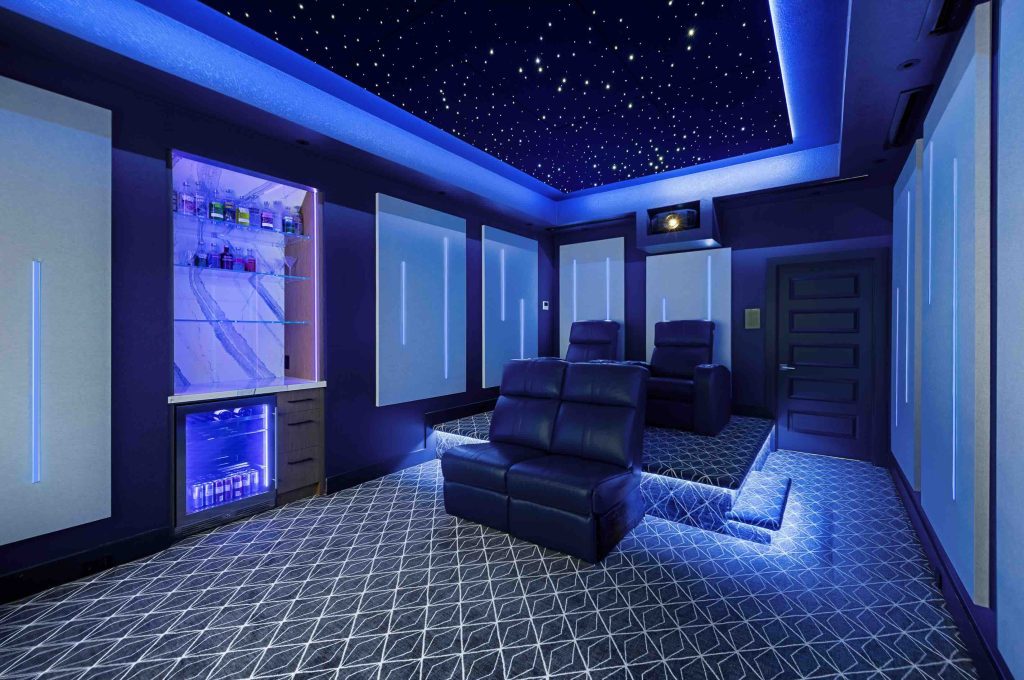
RGBWW tape lighting offers full-spectrum color control while still delivering high-quality white light for everyday use. This makes it ideal for luxury residential environments where flexibility, wellness, and performance matter.
Color lighting is often mistakenly associated with children’s rooms or commercial spaces, but when used intentionally, it becomes a powerful design and wellness tool. Subtle hues can support natural circadian rhythms, promote relaxation through soft blues and ambers, and enhance architectural features without overpowering the space. RGBWW lighting also allows a home to adapt effortlessly—from everyday living to entertaining—while maintaining a refined, elegant aesthetic.
Fixed White (Warm White or Cool White)
Static white LED tape remains one of the most practical and effective solutions for everyday lighting. When chosen correctly, fixed white tape provides consistent, reliable illumination and is well-suited for spaces such as closets, pantries, utility rooms, and secondary work areas.
The key is selecting the appropriate color temperature and brightness to match how the space is used and to maintain visual harmony throughout the home.
Warm Dim and Static Color Options
Warm-dim tape mimics traditional incandescent lighting by becoming warmer as it dims, making it ideal for living areas and bedrooms focused on comfort and ambiance. Static color tape, while more specialized, is often used for decorative accents or architectural highlights.
Choosing the correct color type ensures the lighting supports the space rather than competing with it.
Brightness: The Right Output for the Right Application
Brightness is one of the most misunderstood aspects of LED tape lighting. More light is not always better. Tape lighting is measured in lumens per foot, and different applications require very different output levels.
Low-output tape works best for subtle cove lighting or ambient accents, while medium-output tape is commonly used for under-cabinet or toe-kick lighting. High-output tape may be required for task lighting or architectural wall washes.
Using tape that is too bright can create glare and visual discomfort, while tape that is too dim may fail to provide adequate function. Professional lighting design ensures brightness is intentional, balanced, and appropriate for each space within the home.
Brightness: The Right Output for the Right Application
Architectural-grade LED tape lighting is engineered to work seamlessly with lighting control systems. This allows for smooth, flicker-free dimming, reliable performance at low light levels, and integration into scenes and automation.
Lower-quality tape lights often struggle with dimming, flicker unpredictably, or are incompatible with advanced control systems. The result is a frustrating experience that undermines the entire lighting design.
In luxury homes throughout DFW, lighting is expected to work intuitively—responding to time of day, activity, and mood. That level of performance requires lighting designed for integration from the start.
Dotted vs. Dotless Appearance
One of the most visually obvious differences between tape lights is whether individual LEDs are visible.
Lower-density tape often produces a “dotted” effect, where each LED is clearly visible. This can disrupt clean architectural lines and detract from a modern aesthetic.
Architectural-grade, high-density tape—when paired with proper aluminum channels and diffusers—creates a smooth, dotless line of light. In high-end homes, this seamless appearance is essential to achieving a refined, professional result.
Consistency: The Difference You Notice Over Time
Consistency is one of the most overlooked qualities of LED tape lighting. Consumer-grade products frequently suffer from color shifts, uneven brightness, and noticeable variations between tape runs.
Architectural-grade tape is manufactured with tight tolerances to ensure uniform color and output across the entire installation—not just on day one, but years into the future. This consistency is especially important in open-concept homes and long lighting runs common in modern DFW construction.
Why Design, Power, and Heat Matter
Behind the scenes, factors such as heat management, PCB construction, and power supply quality play a critical role in long-term performance. Heat is the silent enemy of LEDs, and poorly designed tape lights often fade, discolor, or fail prematurely.
Equally important are the power supplies driving the system. Professional-grade drivers are designed for reliability, silent operation, and compatibility with dimming and control systems. Cutting corners here often leads to flicker, buzzing, and early failure—issues that require costly replacement down the road.
The True Cost of “Cheap” Lighting
While big-box LED tape lighting may appear cost-effective initially, the long-term reality often tells a different story. Material savings are quickly offset by labor costs, replacements, and the inconvenience of correcting a poorly designed system.
Lighting should be viewed as part of a home’s infrastructure—not a disposable accessory. When selected and installed correctly, architectural-grade lighting delivers longevity, reliability, and enduring visual appeal.
Equally important are the power supplies driving the system. Professional-grade drivers are designed for reliability, silent operation, and compatibility with dimming and control systems. Cutting corners here often leads to flicker, buzzing, and early failure—issues that require costly replacement down the road.
When Architectural-Grade Tape Lighting Makes Sense
Architectural-grade LED tape lighting is especially valuable in:
- Luxury homes
- New construction and high-end remodels
- Kitchens, living areas, and primary suites
- Hallways, staircases, and feature walls
- Outdoor architectural and landscape lighting
In these spaces, lighting doesn’t just illuminate—it defines the experience.
Conclusion
LED tape lighting is not a commodity—it is a design tool. When chosen and implemented correctly, it enhances architecture, disappears into the space, and performs exactly as intended. When it isn’t, the shortcomings are immediately noticeable.
For homeowners, builders, and designers across Dallas–Fort Worth, investing in architectural-grade lighting ensures the home looks as good years from now as it does on move-in day.
Design lighting that complements your home—not compromises it.
Contact WH Technologies to explore professionally designed, architectural-grade LED lighting solutions tailored to your home or project in the DFW area.